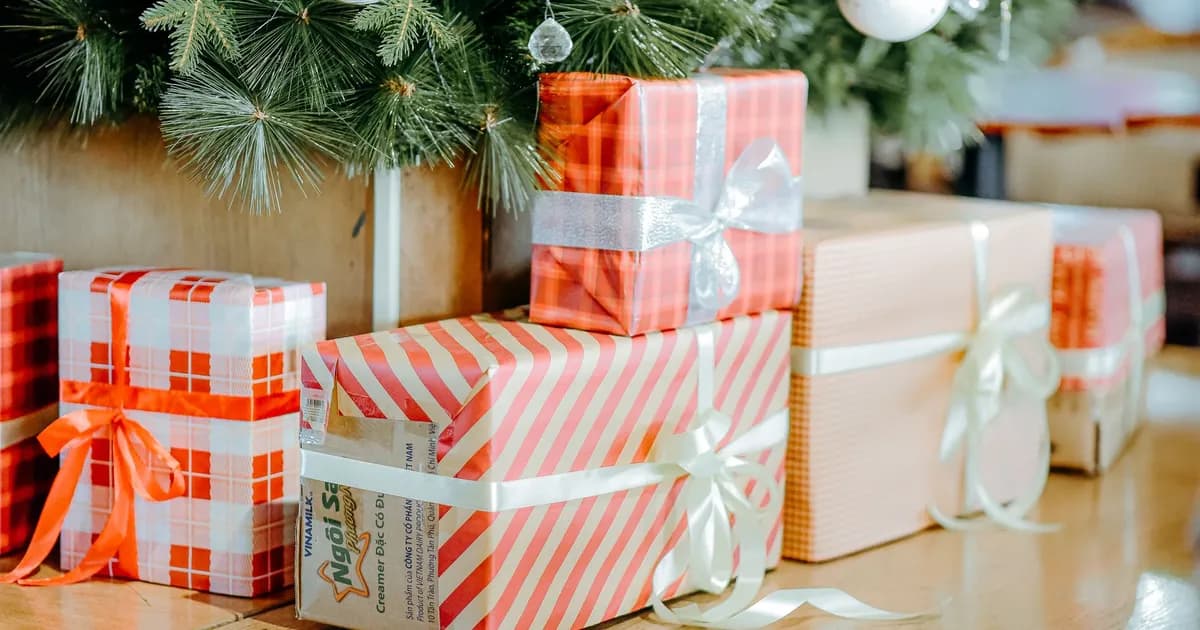
"Is it rude to ask for gifts? Won't people think I'm being greedy?" If that question has crossed your mind, this post is for you. The short answer: no, it's not rude, and making a wishlist is worth it. The full answer starts with one simple idea that changes everything: a wishlist isn't really for you. It's for the people who love you and want to get it right.
Why asking for gifts feels awkward
The hesitation is more common than you think. Many people never create a wishlist because they worry:
- "People will think I'm greedy." Asking feels like demanding, and nobody wants to come across that way.
- "A good gift should be a surprise." There's this idea that saying what you want ruins the gesture.
- "I don't want to be a bother." Saying "you don't need to bring anything" feels more polite.
- "What if nobody uses the list?" It's scary to make one and hear nothing back.
These worries come from a good place: you don't want to seem rude. But they ignore the other side of the story, the side of the person buying the gift.
Gift giving is a love language
You've probably heard of the five love languages, the idea from author Gary Chapman that people express affection in different ways: through words, quality time, touch, acts of service, or gifts. For a lot of people, giving a gift is exactly that: a way of saying "I love you", "I thought of you", "you matter to me".
Think of the grandma who always shows up with a little bag. The friend who saw something in a shop window and thought of you. The aunt who asks weeks before your birthday what you'd like. These people aren't checking a box. Giving is how they love.
Now flip the scene: when you answer "oh, you don't need to get me anything", you think you're being humble. But for someone whose love language is gifts, that answer closes a door. They're going to buy something anyway, just blindly, hoping to get it right. How many mugs, candles and scratchy sweaters sitting in a drawer started with "you don't need to bring anything"?
Making a wishlist isn't asking. It's answering, kindly, a question people are already asking you.
What changes when you make a wishlist
An online wishlist solves the gift giver's problem, not just yours:
- People who love you get it right. Instead of guessing, they pick something you actually want and will use.
- No duplicate gifts. When someone reserves an item, it's marked so the next person picks something else.
- Everyone spends what they can. With a range of prices on the list, nobody feels squeezed or embarrassed.
- No more awkward group chats. The "what does she want?" and "did anyone already buy that?" messages disappear.
- Big gifts become possible. On MyWishlist, several guests can chip in together for a bigger item, each giving what they want.
Notice that almost every benefit goes to the guest. That's why a wishlist isn't selfish: it's considerate.
"But what if people think..."
Let's take the most common objections one by one.
"They'll think I'm greedy." Greedy is demanding gifts. A wishlist is just an organized answer for people who ask "what do you want?". You're not requiring anything: you're making life easier for someone who already decided to give you a gift.
"It kills the surprise." The real surprise isn't the product, it's the gesture. Besides, the giver chooses which item from the list to get, and you only find out when you unwrap it. A good surprise is getting something you love, not something you'll return.
"What if nobody uses it?" No problem. A wishlist doesn't force anyone. People who prefer to pick on their own are still free to do that. The list only helps the ones who want help.
"My party is small, I don't need one." Wishlists aren't just for big events. They work for a kid's birthday, a baby shower, a new home or that adult birthday where everyone keeps asking what you want. If more than three people plan to give you something, a list already pays off.
How to ask for gifts politely
The secret is the tone: you offer the list as help, not as a request. A few ready-made lines for your invitation or group chat:
- "Your presence is what matters! But if you'd like to bring a gift, I put together a little list to help you choose: [link]"
- "For everyone asking what Julia would like, we made a list with some ideas: [link]"
- "No obligation at all! But if you want to give something, the list helps avoid duplicates: [link]"
Three details that keep it light:
- Make it clearly optional. A line like "your presence is the best gift" removes any pressure.
- Mix price ranges. Include affordable items, mid-range ones and one or two bigger picks, so everyone finds something within budget.
- Share it with the invitation. The earlier people get the link, the more time they have to choose calmly.
Frequently asked questions
Is it rude to ask for birthday gifts? No. What's unfortunate is leaving people who love you shopping in the dark. A wishlist shared with a kind tone reads as help, not as a demand. The wording of your invitation makes all the difference.
Are wishlists only for weddings? No. People use them for birthdays, baby showers, housewarmings and even family holiday exchanges. Any occasion where several people will give you gifts gets easier with a list.
Does it cost anything to make a wishlist? On MyWishlist it's free: you create your list, add products from any store and share a single link. Your guests never pay to view or reserve a gift.
What if someone gives me something that's not on the list? You receive it with the same smile. The list is a help for those who want it, not a rule. Both kinds of gifts get along just fine.
So, is a wishlist worth it? Absolutely
Making a wishlist is worth it because it honors both sides: you get things you truly want, and the people who love you get the joy of getting it right. Asking kindly isn't bad manners. It's letting the people who love you express that love in their own language.
It takes a few minutes to start: build a birthday wishlist, a baby shower registry or a wedding registry and share one link with everyone.